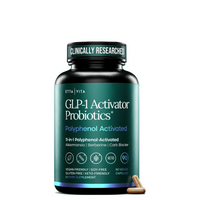
A complete gut health protocol works across three distinct biological layers: the live microbes operating in your intestinal environment, the selective substrates those microbes need to establish themselves, and the enzymatic conditions that determine whether absorption actually occurs. Most products address one layer. The difference between one and three is where results either show up or don't.
Key Takeaways
- Probiotics, prebiotics, and digestive enzymes serve separate biological functions, and a formulation addressing all three operates differently than one targeting a single layer.
- Strain designation carries more practical weight than CFU count; two strains from the same species can behave entirely differently in your digestive tract.
- Prebiotic specificity determines whether beneficial bacteria establish durable colonies or simply pass through without taking hold.
- Lumbrokinase is a fibrinolytic enzyme with a distinct mechanism from standard digestive enzymes, and it carries a genuine caution for anyone on anticoagulant medications.
- Third-party product testing is what separates a label claim from a verified fact.
Why Do So Many Gut Supplements Fall Short?
The core problem is delivery failure, and the supplement industry rarely discusses it plainly.
A probiotic capsule that dissolves in stomach acid before reaching the colon isn't delivering live bacteria anywhere useful. An enzyme blend that's underdosed can't meaningfully accelerate protein digestion. A prebiotic that isn't selective feeds harmful bacteria as readily as beneficial ones. The mechanism of delivery determines whether an ingredient does anything at all, and most formulations never get past ingredient selection to ask what happens after you swallow the capsule.
Etta Vita's formulation philosophy starts at that second question. Every ingredient is evaluated not just for what it does in isolation, but for whether it can survive transit, reach its target site, and function under the actual conditions of your digestive tract.
Why Does Probiotic Strain Matter More Than CFU Count?
The strain designation is the alphanumeric code that follows a species name. It's the difference between information you can act on and a label that tells you almost nothing.
Generic "Lactobacillus acidophilus" describes a species. The strain code tells you whether that specific bacterial variant has been studied for your concern, whether it produces the short-chain fatty acids your intestinal lining uses as fuel, and whether it can adhere to intestinal epithelium rather than passing through entirely. Two strains from the same species can have completely different acid tolerance profiles and colonization behaviors in your gut.
This is also where the gut-metabolism connection becomes worth understanding. The gut houses enteroendocrine cells that respond to microbial metabolites and nutrient signals by secreting hormones involved in appetite and insulin response. The bacterial strains living in your gut influence what signals those cells receive, which is why strain selection isn't only a digestive concern. It's a metabolic one.
The gut isn't only a digestion organ. It's a metabolic signaling hub, and the bacteria living there are active participants in that signaling. Strain selection is how you put the right participants in place.
What Do Prebiotics Actually Do That Generic Fiber Doesn't?
The technical definition of a prebiotic is a substrate that's selectively used by host microorganisms to confer a health benefit. That word "selectively" carries most of the weight.
Certain fermentable fibers feed particular beneficial bacterial species preferentially. Less selective substrates feed a broader microbial population, which can amplify dysbiosis when pathogenic strains are already present. The specificity of the fermentation substrate is what separates a true prebiotic from a generic fiber supplement.
Consider what typically happens when someone takes a high-CFU probiotic for several weeks, notices some improvement, then stops. Within a few weeks, the benefit fades. The mechanism is straightforward: without a selective fermentation substrate, the beneficial bacteria introduced by the probiotic have no competitive advantage over the existing microbial population. They were transient visitors rather than established residents because the ecological conditions for colonization were never built.
Pairing targeted strains with the right prebiotic substrates doesn't just add bacteria. It builds the nutritional infrastructure those bacteria need to outcompete harmful species and maintain their presence over time. That's a formulation decision, not a marketing one, and it's the kind of reasoning behind Etta Vita's approach to gut-focused product development.
What Is Lumbrokinase, and Why Does It Appear in a Digestive Enzyme Formula?
Lumbrokinase is a fibrinolytic enzyme complex derived from earthworms (Lumbricus rubellus). Its mechanism is categorically different from the proteases, lipases, and amylases most people associate with digestive enzymes. Rather than breaking down food, it breaks down fibrin, a protein involved in clotting and inflammatory processes.
The relevance to gut health is circulatory. When fibrin accumulates in the small blood vessels serving the intestinal lining, it can compromise blood flow to the enterocytes, the cells responsible for nutrient absorption. Reduced microcirculation to the gut wall impairs the absorptive and signaling capacity of that tissue, which has downstream consequences for how well any other gut intervention performs. Addressing that circulatory environment works upstream of the probiotic-prebiotic layer.
Etta Vita offers a lumbrokinase digestive enzyme supplement formulated around this mechanism. Including a fibrinolytic enzyme in a gut protocol addresses the conditions that determine how well the gut lining functions before the other layers even get to work.
One genuine caution: if you're on anticoagulant or antiplatelet medications, lumbrokinase's fibrinolytic activity creates a real interaction risk. Its mechanism is effective precisely because it has real biological activity, and real biological activity has real contraindications. If any medication you take affects clotting, speak with your physician before adding this to your routine. That's not a liability disclaimer. It's how responsible formulation guidance works.
How Does a Three-Layer Protocol Compare to a Standard Single-Layer Supplement?
The standard supplement model optimizes for label appeal: high CFU counts, recognizable strain names, a long ingredient list. A formulation built around biological outcome requires different decisions at every stage.
| What You're Evaluating | Single-Layer Supplement or No Protocol | Complete Three-Layer Protocol with Etta Vita |
|---|---|---|
| Probiotic strain selection | Species name only, no strain code | Strain-specific with documented mechanisms |
| Prebiotic inclusion | Often absent or generic fiber | Selective fermentation substrates for targeted colonization |
| Enzyme profile | Standard protease, lipase, amylase only | Includes fibrinolytic support upstream of digestive function |
| Bioavailability focus | Basic formulation, no transit consideration | Formulated for delivery to target site |
| Third-party verification | Inconsistent or absent | Products tested by independent laboratories to verify quality and safety |
| Label transparency | Proprietary blends that obscure actual dosing | Full ingredient visibility with verified product quality |
The difference isn't ingredient quality alone. It's the depth of biological reasoning behind why each ingredient is present and what conditions it needs to function.
What Should You Realistically Expect, and When?
Honest timelines matter here. Anyone promising dramatic changes in 72 hours is describing something other than genuine microbial rebalancing.
Gut microbiome composition shifts gradually. Probiotic colonization requires consistent substrate availability across multiple weeks before beneficial strains establish a durable competitive advantage. Digestive enzyme activity tends to produce earlier results in the form of reduced post-meal discomfort and improved motility, because those effects operate at the mechanical level rather than requiring population-level microbial shifts.
Metabolic effects tied to gut-hormone signaling take longer still. The enteroendocrine signaling system adapts over months of consistent microbial input. That's not a product limitation; it's how hormonal signaling pathways work. A protocol that promises faster metabolic results is compressing a real biological timeline into a marketing claim.
Eight weeks is the minimum meaningful evaluation window for a complete protocol. Stopping at two or three weeks because you haven't noticed dramatic changes is the most common reason people conclude that gut supplements don't work, when the real issue is timeline expectation.
Etta Vita's customer support is available seven days a week because real protocols run over real timescales and questions come up mid-course. Having access to guidance throughout matters more than it sounds when you're several weeks in and evaluating your progress. Every order also ships free, so the cost of staying consistent doesn't get quietly inflated by a recurring delivery surcharge.
Who Gets the Most From This Kind of Protocol?
This formulation approach is most valuable for people with a genuine gut health concern, a metabolic goal, or a history of digestive inconsistency who are willing to commit to a multi-week protocol and pay attention to how their body responds.
If you're managing a diagnosed gastrointestinal condition requiring medical oversight, a supplement protocol can support that conversation with your physician, but it doesn't replace it. If you're on anticoagulant medications, the lumbrokinase component requires medical clearance before use.
The right question isn't whether a gut health formulation is worth taking. It's whether the formulation you're considering was built around biological mechanism or around label marketing. That's the distinction that determines whether you feel a difference. The full supplement collection is organized to help you find a formulation matched to your specific goals, and the health guides offer additional context on what to look for when evaluating any gut health product.
Frequently Asked Questions
How much does CFU count actually matter when choosing a probiotic?
CFU count matters less than strain specificity and delivery mechanism. Look for the alphanumeric strain designation after the species name, and check whether potency is guaranteed at expiration rather than at manufacture. Those are meaningfully different standards.
Can I take probiotics, prebiotics, and digestive enzymes together?
Taking them together is generally more effective than taking them separately. Digestive enzymes work in the upper GI tract before probiotics reach the colon, so there's no meaningful interference between them. Prebiotics consumed alongside probiotics provide an immediate fermentation substrate, which gives beneficial strains a colonization advantage from the first dose rather than waiting for bacteria to encounter food naturally.
What does third-party testing actually verify?
Third-party testing means an independent laboratory confirms that the product contains what the label states, at the stated potency, without the contaminants the label says are absent. For dietary supplements, this is the primary mechanism for real accountability. It's the difference between a manufacturer's claim and a verified fact.
How do I know if my gut health is improving?
Reliable early indicators include changes in stool consistency and frequency, reduction in post-meal bloating, and improved energy in the hours after eating. These reflect shifts in motility, fermentation balance, and enzyme activity. Metabolic markers like appetite regulation take longer to shift and are harder to self-assess without tracking data over time.
Is lumbrokinase appropriate to take daily?
Lumbrokinase has a documented safety profile at standard doses in clinical contexts. The primary caution applies to people on blood-thinning or anticoagulant medications, where its fibrinolytic activity could compound the drug's effect. If you're on any medication that affects clotting, consult your physician before adding lumbrokinase to your routine, regardless of supplement form or dosage.
Why does gut health affect metabolism and not just digestion?
The gut houses enteroendocrine cells in the intestinal lining that secrete hormones directly involved in appetite signaling, insulin response, and metabolic regulation. These cells respond to signals from the microbial environment around them. When the microbial population is imbalanced, the signals those cells send change accordingly, which is why gut health interventions can produce effects that extend well beyond digestion into metabolic function.
How long should I commit to a gut health protocol before evaluating whether it's working?
Eight weeks is the minimum meaningful evaluation window for a complete probiotic-prebiotic-enzyme protocol. Microbial rebalancing takes time, colonization requires consistent substrate availability, and systemic enzyme effects accumulate gradually. Stopping at two or three weeks because you haven't noticed dramatic changes is the most common reason people conclude that gut supplements don't work, when the real issue is timeline expectation. The biology doesn't compress because the label suggests it should.