In a world currently captivated by the clinical breakthrough of GLP-1 medications, a quieter, perhaps more sustainable conversation is taking place in the wellness space.
We find ourselves at a crossroads: the desire for metabolic agency and appetite control has never been higher, yet many are hesitant to embrace a lifetime of prescription-grade interventions.
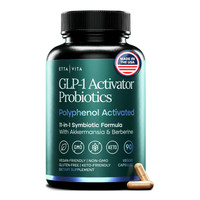
This has sparked a shift toward "natural" pathways—specifically the rise of the GLP-1 probiotic. Rather than a pharmaceutical override, this is a gut-first strategy designed to work in harmony with the body’s existing biological machinery.
Takeaway 1: GLP-1 is a Hormone You Already Make (And It Lives in Your Gut)
Glucagon-like peptide-1 (GLP-1) is often discussed as if it were a laboratory invention, but it is actually a vital metabolic hormone synthesized within your own digestive tract. Specifically, it is produced by enteroendocrine cells, such as the intestinal L-cells. These cells act as the gut’s internal sensors, releasing GLP-1 to coordinate a complex dance of satiety signals, slowing gastric emptying to ensure food is processed at a measured pace, and supporting healthy glucose metabolism already within a normal range.
Rather than acting as a localized digestive enzyme, GLP-1 functions as a high-level messenger within an intricate feedback loop. It is the primary liaison between your last meal and your brain’s perception of energy balance.
"GLP-1 is not produced in isolation. It is part of a larger gut-brain communication system."
Takeaway 2: The Secret Architect of the Gut Lining—Akkermansia muciniphil
Among the trillions of microbes in the human microbiome, Akkermansia muciniphila has emerged as a powerhouse for metabolic health. Residing deep within the mucus layer of the gut lining, this specialized bacterium acts as a "secret architect," maintaining the very environment where hormonal signaling takes place. When Akkermansia levels are robust, the communication between the digestive system and the brain remains clear and effective.
Improving Gut-Brain Communication
Supporting this specific bacterium strengthens the body’s natural metabolic pathways by
• Maintaining the Mucus Layer: Ensuring a healthy gut barrier where enteroendocrine cells can function optimally.
• Enhancing Metabolic Dialogue: Improving the "handshake" between the gut and the signaling pathways that regulate energy.
• Encouraging Satiety: High levels of Akkermansia are consistently associated with better digestive balance and natural feelings of fullness.
Takeaway 3: Probiotics are "Hired Help"—They Need Fuel to Work
In the wellness world, we often treat probiotics as a "set it and forget it" solution, but the reality is more nuanced. Beneficial bacteria are effectively "hired help"; without the proper fuel, they cannot perform the metabolic tasks we require of them. To truly support natural GLP-1 activity, a probiotic must be paired with prebiotics and polyphenols.
Prebiotics like chicory root inulin provide the necessary fiber to nourish these microbes, while plant polyphenols—found in pomegranate, green tea, and grape seed—interact with the microbiome to support antioxidant activity and metabolic signaling.
Compounds like berberine further bolster this metabolic support. When your gut bacteria ferment these specific fuels, they produce short-chain fatty acids (SCFAs). These SCFAs serve as the essential chemical triggers that tell the enteroendocrine cells to release GLP-1 into the system.
Takeaway 4: This is a "Slow Build," Not an Overnight Override
It is vital to distinguish a gut-first approach from the rapid effects of pharmaceutical-grade suppression. While medications can force a sudden shift in appetite, GLP-1 probiotic supplements are designed for a gradual recalibration. This "slow build" occurs because it takes time for prebiotics and polyphenols to shift the composition of the microbiome and strengthen the gut barrier.
Instead of expecting immediate results, users should look for subtle, cumulative shifts in "satiety signaling" and "digestive pacing." This process typically requires several weeks of consistent support as the ecosystem within begins to change. During this recalibration, you may notice:
• Heightened appetite awareness and more intuitive portion control.
• Improved digestive comfort and a steadier metabolic rhythm.
• A reduction in the "noise" of unnecessary snacking driven by gut imbalances.
Conclusion: A Shift in Perspective
The emergence of GLP-1 probiotics represents a sophisticated evolution in how we approach metabolic health. It moves us away from viewing appetite as a force to be suppressed by external drugs and toward seeing it as a biological signal that can be nurtured through microbiome integrity.
By nourishing the microscopic world that regulates our hormones, we can encourage our bodies to function with greater efficiency and balance. As we uncover more about the profound connection between the microbiome and metabolism, it invites a deeper reflection: Is supporting your body’s existing systems a more sustainable path than trying to override them?
References
- Holst JJ. The physiology of glucagon-like peptide-1. Physiological Reviews, 2007
- National Institute of Diabetes and Digestive and Kidney Diseases (NIDDK) – Gut Hormones
- Tolhurst G et al. Short-chain fatty acids stimulate GLP-1 secretion. Diabetes, 2012
- Derrien M et al. Akkermansia muciniphila and metabolic health. Gut, 2017
- Depommier C et al. Akkermansia muciniphila supplementation. Nature Medicine, 2019
- Gibson GR et al. Dietary prebiotics and the gut microbiome. Gut, 2017
- Cardona F et al. Polyphenols and gut microbiota. Journal of Nutritional Biochemistry, 2013